The world of Italian-American cuisine is rich with delightful, comforting dishes, and few are as beloved yet frequently confused as the calzone and the stromboli. While both feature savory fillings encased in delicious dough, they possess distinct characteristics that set them apart. Understanding these key differences not only settles the culinary debate but also enhances your appreciation for each unique creation. If you've ever found yourself wondering whether you're holding a folded pizza or a rolled sandwich, this comprehensive guide is for you. We'll delve deep into the origins, preparation, and serving styles of both, with a special focus on the versatile and beloved calzone.
Calzones Unveiled: The Savory Italian Turnover
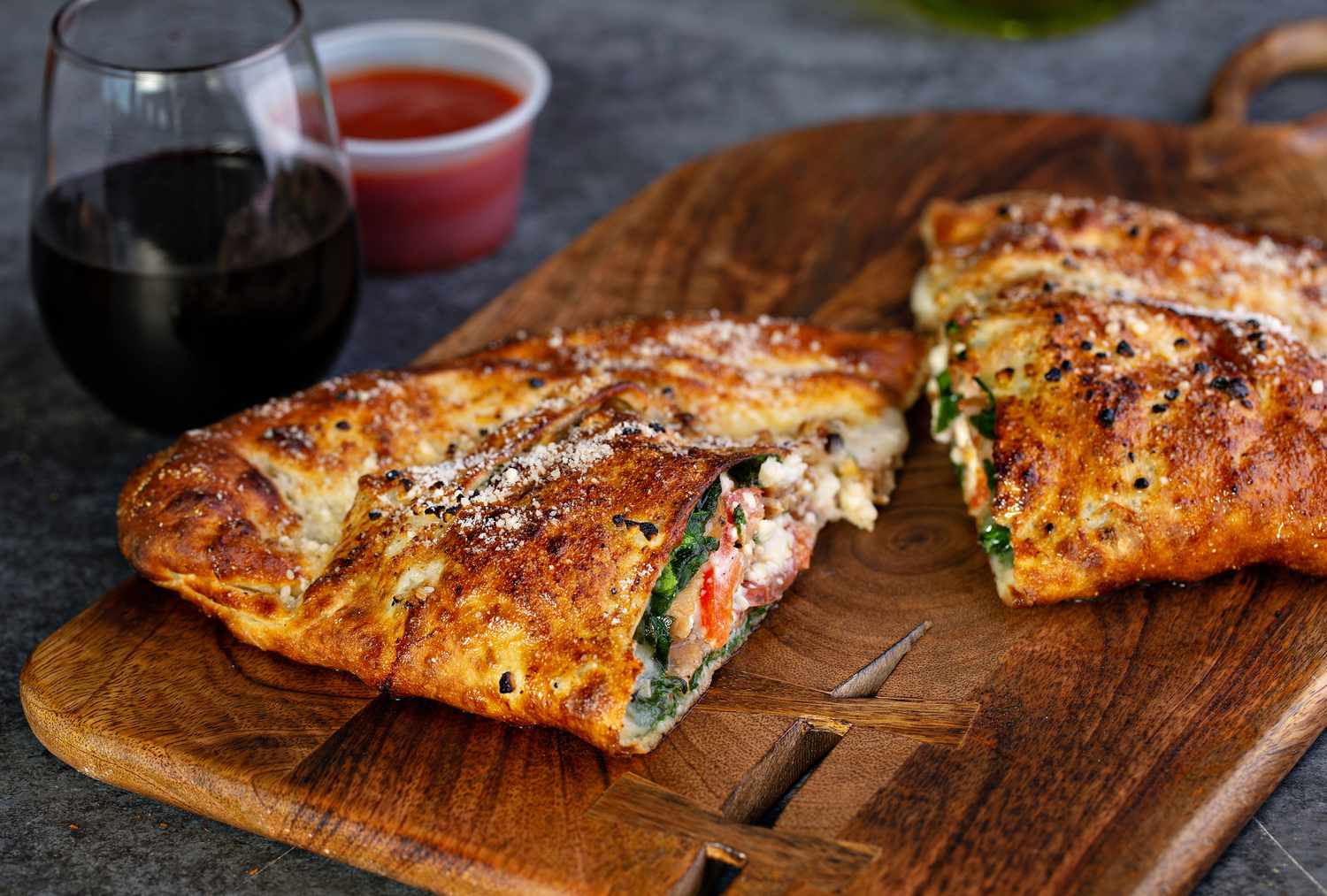
At its heart, a calzone is a true Italian classic, originating in Naples in the 18th century. The name "calzone" itself means "trouser leg" in Italian, perhaps a playful nod to its resemblance to a folded garment or its portability for an on-the-go meal. Imagine your favorite pizza, but cleverly folded in half, sealed, and baked into a crescent-shaped pocket – that's the essence of a traditional calzone.
What Makes a Calzone a Calzone?
- Italian Heritage: Unlike its American counterpart, the calzone boasts a long and proud history directly from Italy.
- Distinct Shape and Seal: This is arguably the most defining feature. A calzone starts with a circular piece of pizza dough. Fillings are placed on one half of the dough, which is then folded over the other half, much like a taco or a half-moon. The edges are then carefully crimped and sealed, often with a fork, to ensure all the delicious ingredients stay safely tucked inside. This tight seal is crucial, as it creates a self-contained environment perfect for baking and subsequent dipping.
- Individual Portions: Calzones are typically designed as individual servings, making them perfect for personal enjoyment. They are handheld, hearty, and satisfying.
- Sauce on the Side: A hallmark of the authentic calzone experience is serving the sauce on the side. Warm marinara is the traditional choice, but dipping sauces can range from creamy Alfredo to tangy ranch or even a smoky BBQ sauce, especially when paired with a BBQ chicken-filled calzone. This external sauce allows the crust to remain crisp and the internal fillings to shine without becoming soggy.
- Versatile Fillings: The beauty of a calzone lies in its infinite customization. Anything you can put on a pizza, you can put in a calzone! Classic combinations include gooey mozzarella, rich ricotta, savory pepperoni, and Italian sausage. However, creativity knows no bounds. Think roasted vegetables, spinach and feta, or even using up leftover dinner ingredients. Many home cooks adore this versatility, affirming there's "no wrong way to fill them."
Making homemade calzones is a rewarding experience. You start by dividing your pizza dough, rolling each piece into a ¼-inch thick circle. After adding about ¼ cup of your chosen toppings and a generous sprinkle of cheese to one side, you fold and carefully seal the edges. Placing them on parchment paper and baking until golden brown yields a perfect, irresistible pocket. Don't forget to let them cool for about 10 minutes before diving in to prevent burns from the molten interior and to allow the cheese to set slightly.
Stromboli Defined: America's Rolled Delight
While often lumped together with calzones, the stromboli is a distinctly different beast, with its roots firmly planted not in Italy, but in the United States. Named after the 1950 film "Stromboli," this creation is essentially a rolled sandwich or a savory pastry that shares some ingredients with pizza but takes on a unique form.
Key Characteristics of a Stromboli:
- American Origin: The stromboli is an American invention, a testament to culinary fusion and innovation, often credited to Italian-American pizzerias in Philadelphia.
- Rolled Shape: Instead of being folded in half, a stromboli is rolled up into a spiral, much like a jelly roll or a pinwheel. The dough is typically stretched into a rectangle, layered with fillings, and then tightly rolled from one end to the other before baking.
- Sauce Inside: Unlike calzones, where the sauce is traditionally served on the side, stromboli usually incorporates the sauce directly into the filling. This means every bite is infused with the savory tomato goodness, eliminating the need for an external dipping accompaniment, though some may still prefer extra sauce.
- Sliced for Sharing: Because of its elongated, rolled shape, stromboli is most commonly sliced into individual portions *after* baking. This makes it an ideal dish for sharing among a group, perfect for a family meal or a party appetizer.
- Similar Fillings, Different Approach: While the ingredients in a stromboli can be quite similar to a calzone – various cheeses, deli meats, and vegetables – the way they are distributed within the rolled dough creates a different textural experience.
The stromboli offers a satisfying, layered experience, with the dough spiraling around the interior fillings and sauce. It bakes into a golden-brown, often crusty exterior that, when sliced, reveals a beautiful cross-section of its delicious contents.
Calzone vs. Stromboli: The Core Distinctions at a Glance
Despite their shared ancestry in pizza dough and savory fillings, the differences between a calzone and a stromboli are significant and impact their preparation, presentation, and the very experience of eating them. Let's break down the primary distinctions:
Origin:
- Calzone: Hails from Naples, Italy, with a history dating back to the 18th century.
- Stromboli: An American invention, originating in the mid-20th century, likely in the Philadelphia area.
Shape and Sealing:
- Calzone: Folded in half (like a crescent moon or half-circle) and the edges are tightly crimped or sealed with a fork, creating a robust, dumpling-like pocket.
- Stromboli: Rolled up into a spiral (like a log or jelly roll) from a rectangular piece of dough, with the ends typically sealed to contain the fillings.
Sauce Placement:
- Calzone: Sauce is almost always served on the side for dipping, preserving the crispness of the crust.
- Stromboli: Sauce is usually incorporated directly into the filling before rolling, making it an integral part of the internal flavor.
Serving Style:
- Calzone: Generally prepared as individual, self-contained servings, ideal for eating by hand.
- Stromboli: Typically baked as a larger roll and then sliced into portions after baking, making it more suited for sharing.
Cheese Blend:
- Calzone: Often includes ricotta cheese in addition to mozzarella, contributing to a creamier, richer interior.
- Stromboli: Primarily uses mozzarella, sometimes with provolone, for a stretchier, more unified melted cheese experience.
These distinctions are not merely semantic; they fundamentally alter the eating experience, from the texture of the crust to the distribution of flavors. The crimped edges of a calzone are designed to hold liquid, perfect for dipping, while the rolled structure of a stromboli ensures every cross-section is a melange of fillings and internal sauce.
Mastering Your Homemade Calzones: Tips for Perfection
Once you understand the allure of a homemade calzone, you'll be eager to try making them yourself. The process is incredibly rewarding, and with a few tips, you can achieve restaurant-quality results in your own kitchen.
- Quality Dough is Key: While store-bought pizza dough works wonderfully for convenience, consider making your own if you have the time. A good, elastic dough will be easier to roll and seal, ensuring your fillings stay put. Aim for about a ¼-inch thickness when rolling out your dough circles.
- Don't Overfill: This is a common pitfall. Too many fillings can make sealing difficult and lead to ruptures during baking. About ¼ cup of toppings per individual calzone is a good starting point, plus a generous sprinkle of cheese. Remember, less is often more when it comes to packed pockets.
- The Perfect Seal: After folding the dough, press the edges firmly together. You can use your fingers to crimp them, or for a classic look and extra security, use the tines of a fork to press down along the seam. This creates that iconic, sturdy edge.
- Ventilation is Important: Before baking, make sure to cut a few small slits in the top of each calzone. This allows steam to escape, preventing your calzone from puffing up excessively and potentially bursting.
- Achieve Golden Perfection: For that beautiful, golden-brown crust, brush the top of your calzones with an egg wash (one egg beaten with a tablespoon of water) or a little olive oil before baking. This also adds a lovely sheen and a slight crispness.
- Serve with the Right Sides: Don't forget your dipping sauces! Marinara is classic, but explore options like homemade ranch, creamy Alfredo, or a spicy chipotle sauce. A fresh Italian side salad also pairs beautifully, offering a refreshing contrast to the rich, savory calzone.
- Make Ahead and Freeze: Calzones are incredibly freezer-friendly. Assemble them as directed, but instead of baking, place them on a parchment-lined baking sheet and freeze until solid. Once frozen, transfer them to a freezer-safe bag or container. They can be frozen for up to three months. To bake from frozen, simply place them on a baking sheet and bake at a slightly lower temperature (e.g., 375°F) for a longer time (30-45 minutes) until heated through and golden. This makes them perfect for effortless weeknight dinners or quick lunches. For more detailed tips on preparing freezer-friendly meals, check out our guide on Make Ahead Calzones: Freezer-Friendly Meals & Dipping Ideas.
- Cool Before Serving: It's tempting to dig in immediately, but let your calzones cool for at least 10 minutes after coming out of the oven. This allows the molten cheese and fillings to set, preventing burns and ensuring a more enjoyable texture.
Whether you're making a big batch with your kids for future busy weeknights or a single, customized delight for yourself, homemade calzones offer a delicious and fun culinary adventure. They reheat wonderfully, making them ideal for work or school lunches.
In conclusion, while both the calzone and stromboli are fantastic options for a satisfying meal wrapped in dough, their distinct origins, shapes, and serving styles make them unique culinary experiences. The calzone, with its Italian heritage, folded form, and side sauce, offers a personalized, dippable delight, while the American stromboli provides a shareable, rolled feast with sauce integrated throughout. Understanding these differences deepens your appreciation for each dish and empowers you to choose or create the perfect pizza-pocket-style meal to suit your cravings. So next time you're in the mood for a hearty, customizable, and often freezer-friendly treat, remember the versatile and delicious calzone!
